This time last year we were heading to the first race in Australia with the knowledge that the revamped Brawn team had been quick in testing. However, there was still some doubt over the double diffuser, so we weren’t quite sure where things stood.
Even allowing for that controversial performance boost it seemed hard to believe that a team that had struggled so much in 2008 could emerge from a turbulent winter with a new engine partner and still be a clear pacesetter.
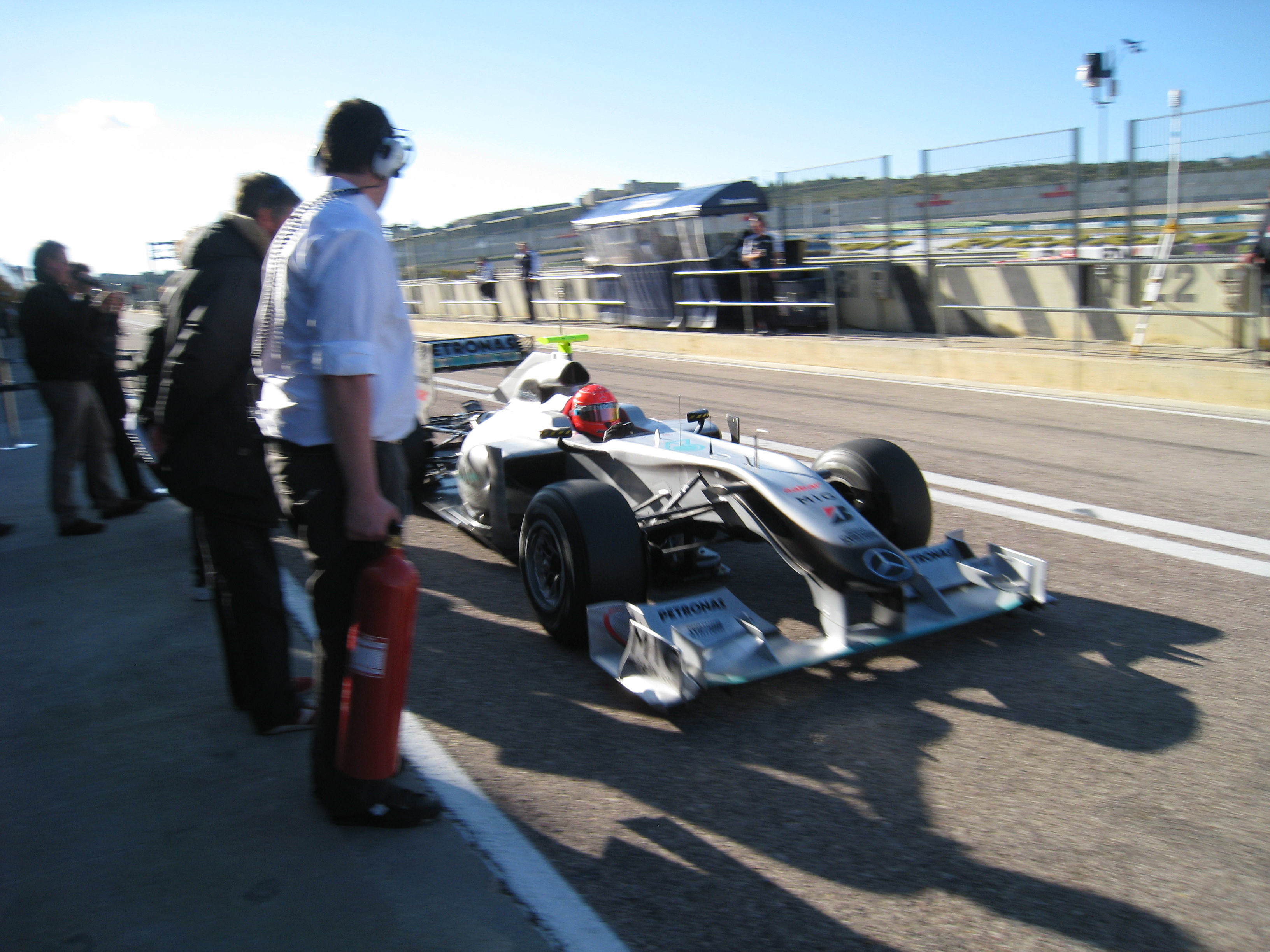
Twelve months on, much has changed. Jenson Button is at McLaren, and Brawn GP has become Mercedes GP. And despite adding works backing and the talents of Michael Schumacher, life is going to be a lot harder. Ross Brawn expects to see no surprises this year, with McLaren, Ferrari and RBR at the sharp end of the grid.
“Last year McLaren and Ferrari did a pretty average job at the beginning of the year, and that created an unusual situation,” Ross told this blog. “They recognised particularly Ferrari, that they were off the pace, and in the end sacrificed the year to get back into shape for this year, which was probably the right decision. So it was an unusual year in that respect, so I don’t think we’re going to see that this year.
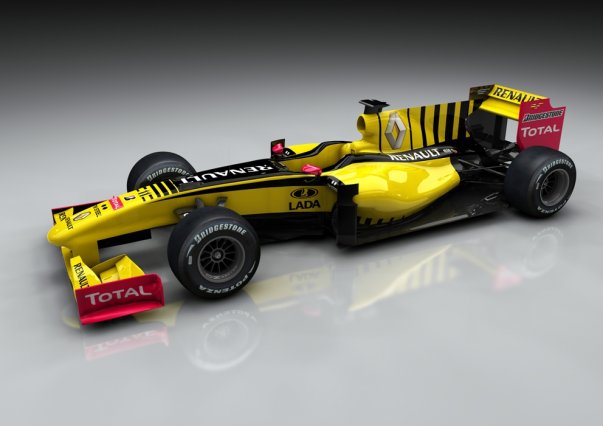
“I think in 2010 you’ll have the usual candidates at the front, and Renault and Williams and one or two others will be right there. I think Williams with the Cosworth engine will be very interesting. Renault has undergone a fairly major restructuring, and we’ll see what affect that has. The Sauber looks like quite a good car. I think they did the same as Ferrari, I think they recognised their failing, and knuckled down and devoted all their efforts to the new car.”
Ross is of course the king of strategy, even if these days he keeps more of an overview. Ross is adamant that this year strategy is all about being ‘reactive,’ in that you’ll always be responding to what others are doing.
“In previous years you had X amount of fuel in the car, and you wanted to run to that point and pit, and that determined your first pit stop. The reactivity of your decision making was how long to the second pit stop, where were you going to judge that gap.
“Now it’s completely open when you make your stop, be it one or two, and how soon you make it. If you make it early you can gain an advantage because you’re back out on new tyres, but if those new tyres are shot by the end of the race, you can become exposed. It’s going to be very interesting, but it’s going to be a much more reactive process on the pit wall than past years.
“I think there will be a lot of one-stop races this year, particularly if you’re starting on the soft tyre. If the hard tyre is durable then all the race will really take place in the first 10-15 laps, then right at the end if people run into problems with fuel consumption or tyre wear or brake wear.
“So I think there will be two windows of racing, in the early part when everyone is jockeying for position, and the end of the race where someone might start to struggle with their tyres or their car.”
Messrs Schumacher and Rosberg can’t ask for a better guy on the pit wall. Will Ross’s presence really make a difference?